Top 5 Reasons Fall Is Key to Choosing Your Compliance Translation Partner
Are You Leveraging Fall to Prepare for Q1 Compliance? In Canada’s highly regulated financial services sector, the reporting cycle is defined by complexity, urgency, and constant change.
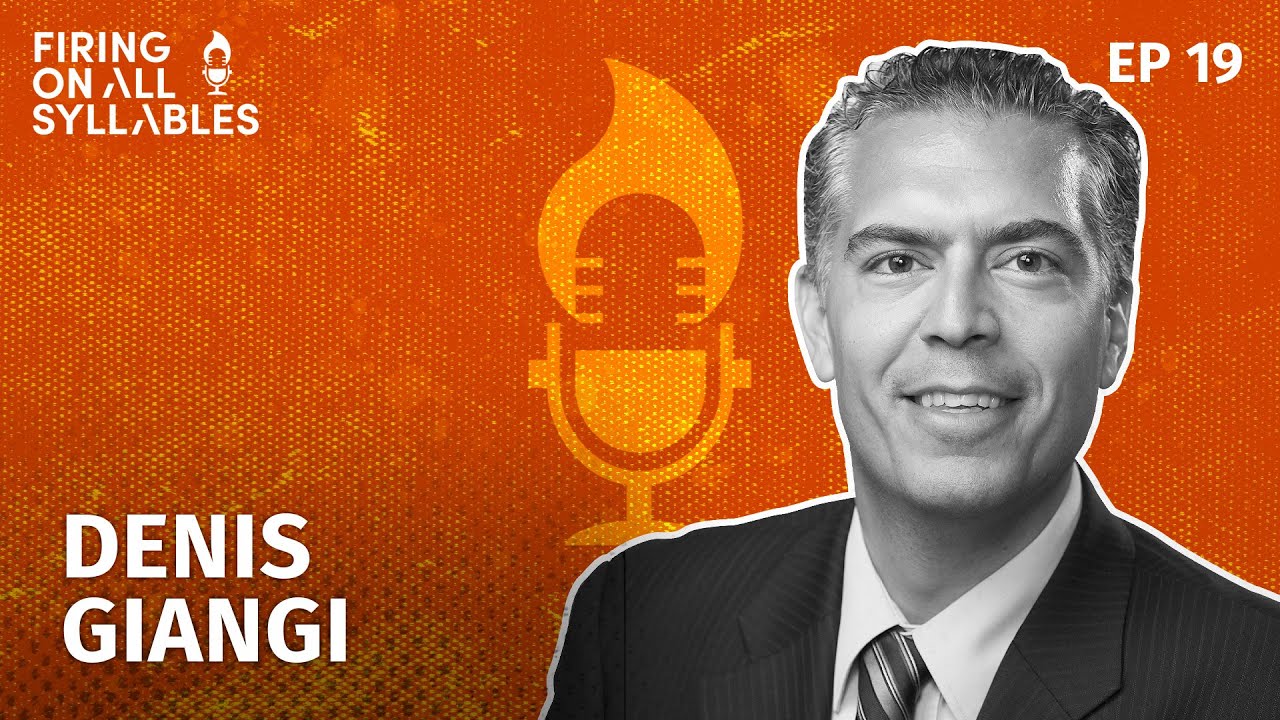
Leadership Lessons from the President of Rolls-Royce Canada: Resilience, Breadth, and Purpose
Watch this episode
In this in-depth conversation, Denis Giangi, President of Rolls-Royce Canada, reflects on over two decades of leadership within one of the world’s most iconic industrial firms. From his beginnings as a Chartered Accountant to becoming CFO and then President, Giangi shares lessons shaped by personal discipline, career pivots, and cross-functional expertise. He discusses the importance of adaptability, positivity in crisis, and continuous professional development—values central to legal professionals navigating complex and regulated industries. Listeners will gain unique insights into executive leadership in a global aerospace company, including strategies for upskilling, the value of cross-departmental knowledge, and how to lead during organizational challenges such as labour strikes. Giangi’s emphasis on mentorship, networking, and purpose-driven leadership offers a valuable model for legal professionals aiming to build influence within large institutions.
Key Takeaways
Breadth Over Specialization: To progress in large organizations, professionals must look beyond their functional roles and understand broader business contexts.
Upskilling Is Continuous: Giangi underscores the importance of proactive learning through ICD certifications, cross-functional exposure, and mentoring relationships.
Lead with Optimism: In leadership roles, maintaining a positive tone—even during events like a six-month strike—is essential for organizational morale.
Prioritize Internal Networking: Face-to-face interactions remain critical, especially early in one’s career, for building trust and visibility within large institutions.
Character Over Credentials: When recruiting or promoting, Giangi looks for attitude and ambition first—technical skills can be taught, but mindset is foundational.
What leadership qualities does Denis Giangi consider essential for career growth in large organizations?
Breadth of knowledge, external and internal networking, resilience under pressure, and a willingness to continuously learn are central to his leadership philosophy.
How does Giangi approach challenges like peer-to-manager transitions or labour strikes?
With empathy, clear communication, and optimism. He views leadership as casting a “shadow” that influences the tone and performance of the entire organization.
What can legal professionals learn from Giangi’s career trajectory?
Strategic career pivots, multidisciplinary understanding, and early investment in teaching and mentoring can accelerate leadership readiness and organizational influence.
Stay informed on translation trends
Get the latest insights delivered to your inbox.
By clicking Subscribe you're confirming that you agree with our Terms and Conditions.
Related articles
Explore more insights on translation trends, compliance, and enterprise localization from the Apertera team.
In this webinar, leading in-house legal professionals share what they value most from external counsel, from understanding the business and delivering advice with speed to using technology effectively…
The CUSMA (USMCA) mandatory review represents a strategic inflection point where governments and businesses can reassess trade frameworks and address accumulated tensions across tariffs and regulatory barriers.
Key Takeaways How can in-house counsel move faster without compromising compliance? Start with non-negotiables like ethics and mandatory compliance, then use a clear risk appetite to decide where…
To provide the best experiences, we use technologies like cookies to store and/or access device information. Consenting to these technologies will allow us to process data such as browsing behaviour or unique IDs on this site. Not consenting or withdrawing consent, may adversely affect certain features and functions.
Functional
Always active
The technical storage or access is strictly necessary for the legitimate purpose of enabling the use of a specific service explicitly requested by the subscriber or user, or for the sole purpose of carrying out the transmission of a communication over an electronic communications network.
Preferences
The technical storage or access is necessary for the legitimate purpose of storing preferences that are not requested by the subscriber or user.
Statistics
The technical storage or access that is used exclusively for statistical purposes.The technical storage or access that is used exclusively for anonymous statistical purposes. Without a subpoena, voluntary compliance on the part of your Internet Service Provider, or additional records from a third party, information stored or retrieved for this purpose alone cannot usually be used to identify you.
Marketing
The technical storage or access is required to create user profiles to send advertising, or to track the user on a website or across several websites for similar marketing purposes.