
Featured article
A New Era for Alexa Translations
This isn’t a rebrand. It’s a brand evolution.
Read more

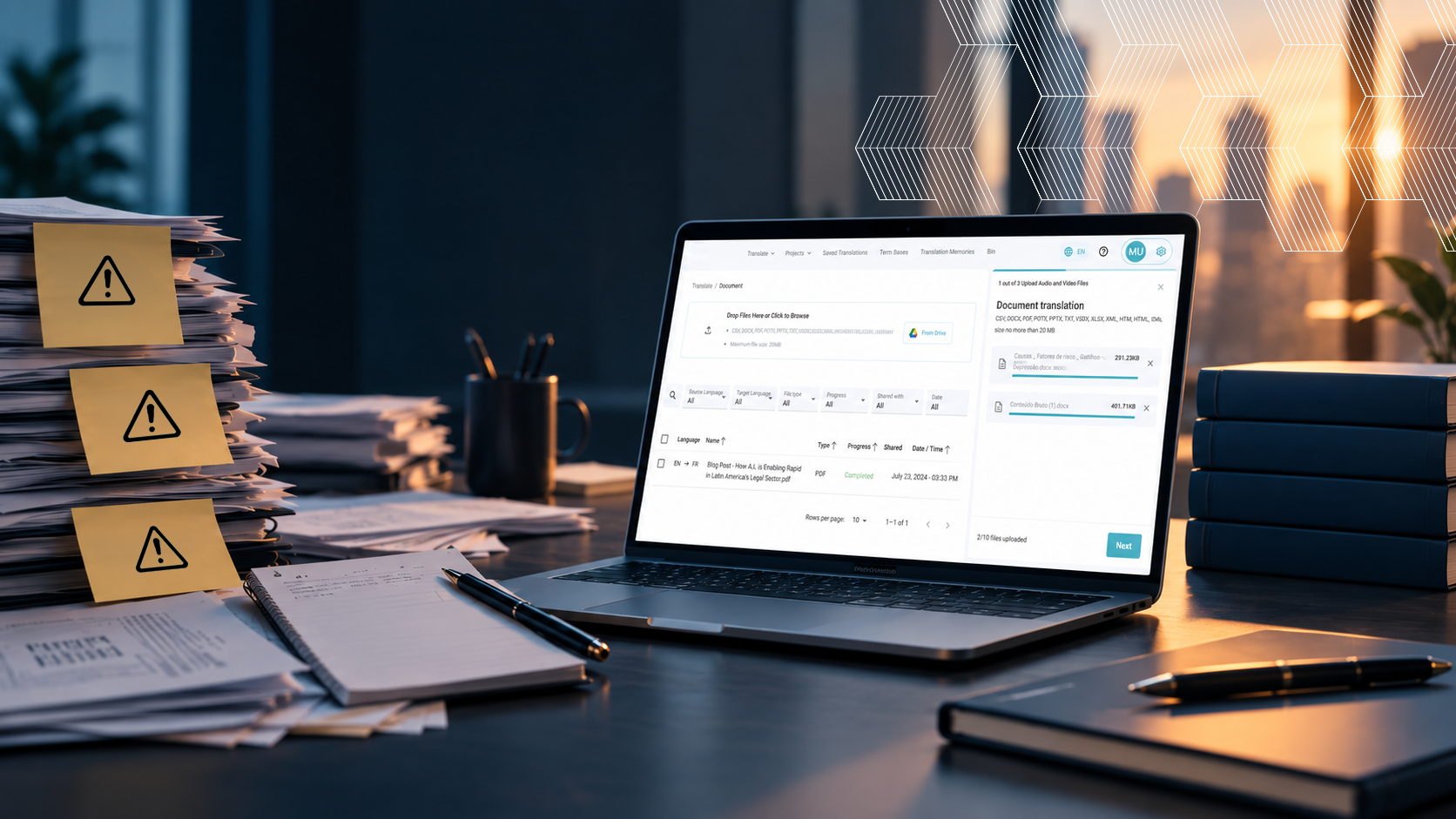
Legal work rarely arrives in a neat, predictable queue.
A contract needs to move today. A regulatory document changes at the last minute. A bilingual colleague gets pulled in to review terminology. Another request lands before the first one is finished.
Individually, each request gets handled.
But as volume grows, the cracks start to show.
According to the ACC’s Chief Legal Officers Survey, 70% of CLOs expect demand for legal services to increase, while only 45% expect budgets to grow and just 37% anticipate headcount increases.
For legal teams, that gap between demand and resources can mean more coordination, more internal review and more pressure on the same people. A process that worked when requests were occasional becomes harder to manage at scale.
That’s when translation stops being a series of requests and becomes a legal operations challenge.
Scaling it requires a workflow built for the volume, complexity and standards of the work.
Table of Contents
Ad hoc processes can work surprisingly well. Until they don’t.
A request comes in by email. Someone finds the right bilingual colleague. A previous translation gets tracked down for reference. Reviews happen wherever there’s capacity.
The work gets done, but the process depends heavily on people knowing what to do, who to ask, and where to find what they need.
As multilingual demand increases, that becomes harder to sustain. Terminology can live across documents and teams. Review responsibilities aren’t always clear. Multiple versions move between stakeholders. Specialized internal resources spend more time coordinating and reviewing work that sits outside their core responsibilities.
The problem isn’t any one request.
It’s the operational friction created when every request has to find its own path through the organization.
A scalable approach starts by making that path repeatable.
A scalable workflow creates structure around the work without adding unnecessary complexity.
That structure comes down to a few core elements:
Technology can support each of these steps. It can centralize requests, preserve terminology and context, automate repetitive tasks and provide greater visibility across the workflow. But technology alone isn’t the operating model. Professional oversight remains essential where nuance, legal context and judgment matter.
At Apertera (formerly Alexa Translations), that combination of specialized expertise, technology and structured workflows is designed to help legal teams manage multilingual work as an integrated operation rather than a series of isolated requests.
The result is a process designed to work the same way when demand is manageable and when it spikes.
Repeatable where it should be. Adaptable where it needs to be.
The value of a scalable workflow isn’t simply that work moves through it more efficiently. It’s what that efficiency gives back to the legal team.
Less time spent coordinating requests, tracking down previous work and managing reviews means more capacity for the work that actually requires internal expertise. And when terminology, processes and responsibilities are carried forward from one request to the next, consistency doesn’t have to be rebuilt every time.
That impact can be significant.
What can that capacity look like?
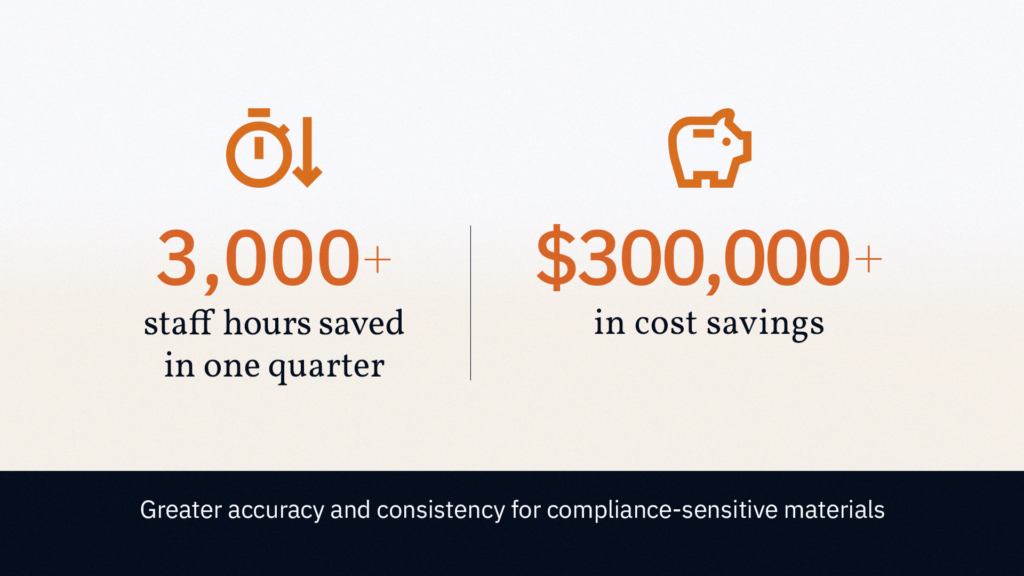
Those were the results reported by corporate law firm Wildeboer Dellelce after centralizing its translation workflow with Apertera (formerly Alexa Translations). The firm also created a process that allowed translation costs to be billed back to clients, turning what had been an internal burden into a more sustainable model.
How scalable is your multilingual legal operation?
Assess your current workflow across capacity, terminology, technology, governance and professional oversight with the Multilingual Legal Operations
Maturity Assessment.
1. When should legal teams move from ad hoc translation requests to a structured workflow?
When multilingual work becomes frequent enough that coordination, internal review, terminology management or capacity begins creating operational friction. A structured workflow can help legal teams manage growing demand more consistently while reducing reliance on manual processes and individual employees.
2. How can legal teams make multilingual workflows more scalable?
Scalability starts with standardizing repeatable parts of the process, including intake, terminology management, review and approval. Technology can help centralize and automate parts of the workflow, while professional expertise provides the legal and linguistic judgment required for high-stakes content.
3. What are the benefits of scalable legal operations?
Scalable legal operations can reduce manual coordination and rework, control costs, improve consistency and create greater capacity without requiring resources to grow at the same rate as demand. For multilingual work, they can also help preserve terminology, context and quality across matters and teams.

Efficiency has become one of the defining priorities for legal teams. The 2026 ACC Chief Legal Officers Survey found that 53% of CLOs rank operational efficiency among their…

The legal market is changing. Client expectations are rising. Technology is reshaping how work gets done. But the fundamentals of winning and keeping clients haven’t disappeared. Expertise still…
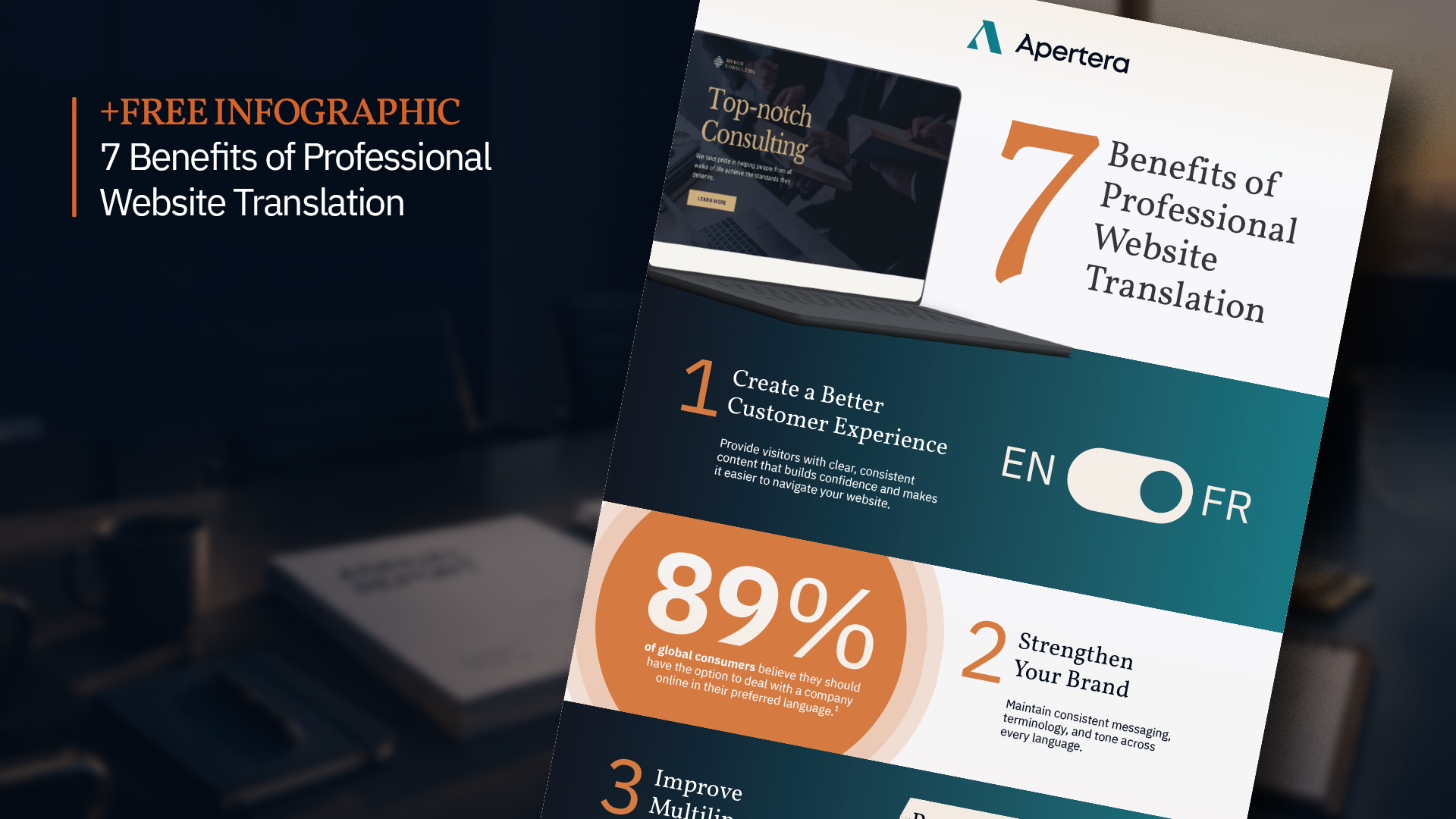
Your website is one of the most valuable touchpoints for your business. Whether you’re reaching new audiences or maintaining an existing multilingual website, accurate and up-to-date translations play…
