Top 5 Reasons Fall Is Key to Choosing Your Compliance Translation Partner
Are You Leveraging Fall to Prepare for Q1 Compliance? In Canada’s highly regulated financial services sector, the reporting cycle is defined by complexity, urgency, and constant change.
The deep, blue sea may seem like the last place on earth that requires translation expertise. But in the case of the groundbreaking investigative journalism of The Outlaw Ocean Project, which covers stories on human rights, labour, and environmental concerns on the two-thirds of the planet covered by water, translations are not just useful; they are a necessity.
With the utmost respect and admiration for the investigative journalism conducted by the team at The Outlaw Ocean Project, we are incredibly proud to announce our partnership with them.
About The Outlaw Ocean Project
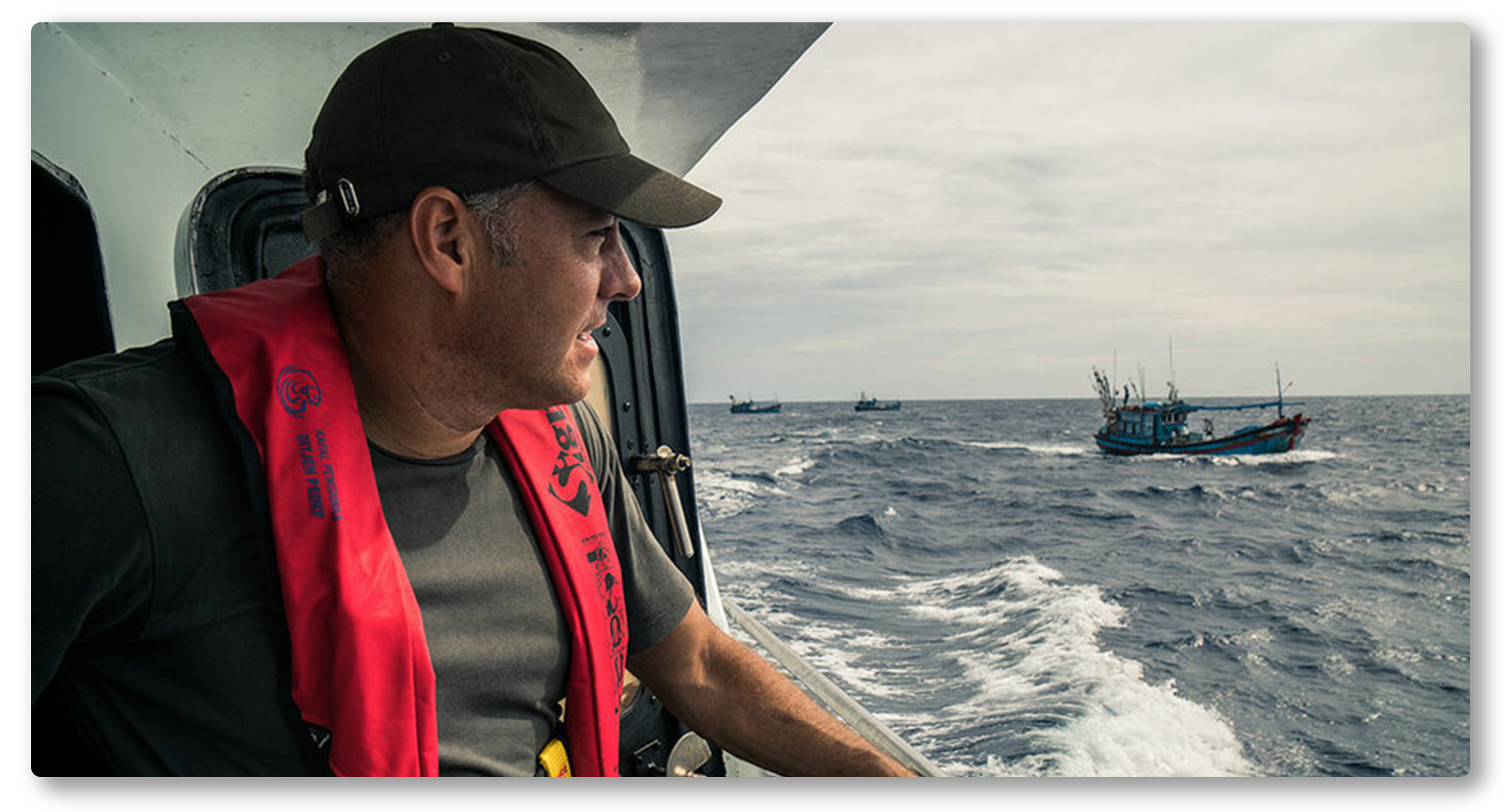
Fabio Nascimento/Courtesy of The Outlaw Ocean Project
The Outlaw Ocean Project is a non-profit journalism organization based in Washington D.C., that is committed to producing investigative stories involving the ocean realm, which is home to a number of urgent concerns that are all too often overlooked.
With Pulitzer Prize-winning journalist, Ian Urbina, at the helm as Founder and Executive Editor, the journalism is distinct, covering stories of pressing concerns that include the murder of stowaways, arms trafficking, illegal fishing, pollution, dumping, drilling and human slavery on fishing ships.
The nature of reporting requires it to be distributed in truly unique ways. Most stories are reported, at least partially, at sea and need translation into a half dozen languages to be disseminated to newspapers, magazines, radio, and television venues worldwide.
Our Partnership in Action
As proud partners, we are committed to aiding and accelerating their mission to spread the word and reach a younger and more international audience while breaking language barriers in a way that makes an important impact.
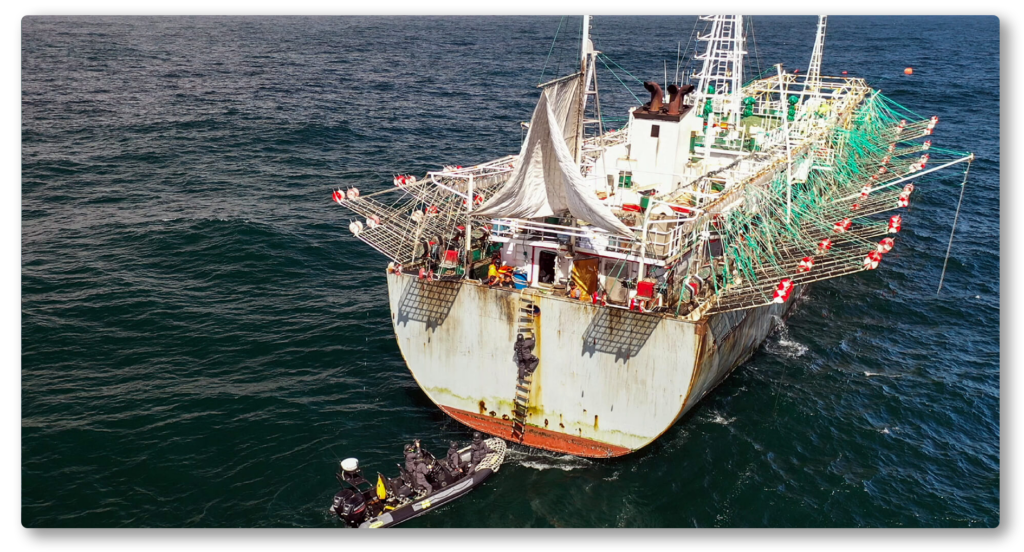
Courtesy of The Outlaw Ocean Project
At Apertera, we feel inspired by the important work conducted by The Outlaw Ocean Project. Before Apertera became what it is today, our CEO, Gary Kalaci, found himself faced with the challenge of navigating language barriers as a result of clashes between several war-torn countries.
Eager to help and capable of speaking multiple languages, he became an interpreter for Kosovo refugees, ultimately launching his career in the translation and interpretation industry. With a new understanding of the importance of communication across language barriers, he founded Apertera.
“One of our core values at Apertera is collaboration, which makes partnerships like this, with The Outlaw Ocean Project, of great importance to us. It is an honour to play even a small role in their mission to mitigate the destructive events that will shape the future of many generations to come,” said Gary Kalaci.
By partnering with Apertera, The Outlaw Ocean Project has been given full access to our Apertera A.I. platform, along with our expert linguists, to translate their stories and disseminate them as broadly as possible. Their most recent investigation is a case in point.
Focusing on China and the global seafood industry, much of the latest investigation focuses on labour abuses in the Chinese fleet while also exploring how Americans who eat seafood may also be implicated.
Taking place both on land and sea, it saw The Outlaw Ocean Project team reporting from many spots worldwide, including onboard Chinese squid ships and in a small village in Indonesia, the biggest port in Uruguay, and within mainland China. “We would not have been able to accomplish this without help from the interpreters and translators from Apertera,” said Ian Urbina.
As The Outlaw Ocean Project continues their mission to investigate and bring to light urgent concerns, Apertera is committed to supporting them by translating these stories across language barriers – for the whole world to read.
The entire business world has undergone an incredible transition in just two short years. A.I., a topic not long ago faced with endless scrutiny, has quickly become adopted…
Within the context of the Canadian financial sector, the requirement of linguistic diversity looms prominently as the nation’s two official languages, English and French, call for the translation…
Organizations that once questioned the importance of diversity, equity, and inclusion (DEI) can no longer ignore its benefits. With fear of falling behind, more companies are implementing diversity…
To provide the best experiences, we use technologies like cookies to store and/or access device information. Consenting to these technologies will allow us to process data such as browsing behaviour or unique IDs on this site. Not consenting or withdrawing consent, may adversely affect certain features and functions.
Functional
Always active
The technical storage or access is strictly necessary for the legitimate purpose of enabling the use of a specific service explicitly requested by the subscriber or user, or for the sole purpose of carrying out the transmission of a communication over an electronic communications network.
Preferences
The technical storage or access is necessary for the legitimate purpose of storing preferences that are not requested by the subscriber or user.
Statistics
The technical storage or access that is used exclusively for statistical purposes.The technical storage or access that is used exclusively for anonymous statistical purposes. Without a subpoena, voluntary compliance on the part of your Internet Service Provider, or additional records from a third party, information stored or retrieved for this purpose alone cannot usually be used to identify you.
Marketing
The technical storage or access is required to create user profiles to send advertising, or to track the user on a website or across several websites for similar marketing purposes.